
Contents
Can You Have An Allergic Reaction To Advil?
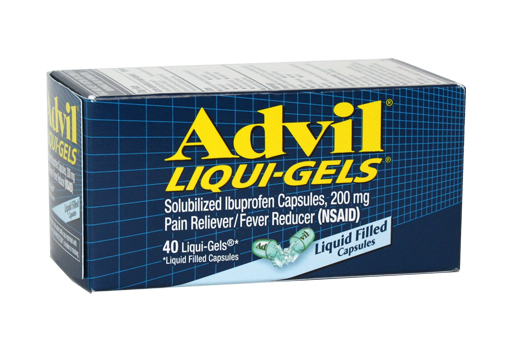
One of the most commonly used over-the-counter pain relievers is Advil. Advil is a brand name for ibuprofen, a nonsteroidal ant-inflammatory drug. Advil is most often used to treat minor aches and pains, including headaches, toothaches, backaches, menstrual camps, muscular aches, the common cold, and arthritis pain. It may also be used as a temporary fever reducer. There are many product variations of Advil, including Liquid-Gels, Advil Migraine, and Film-Coated.
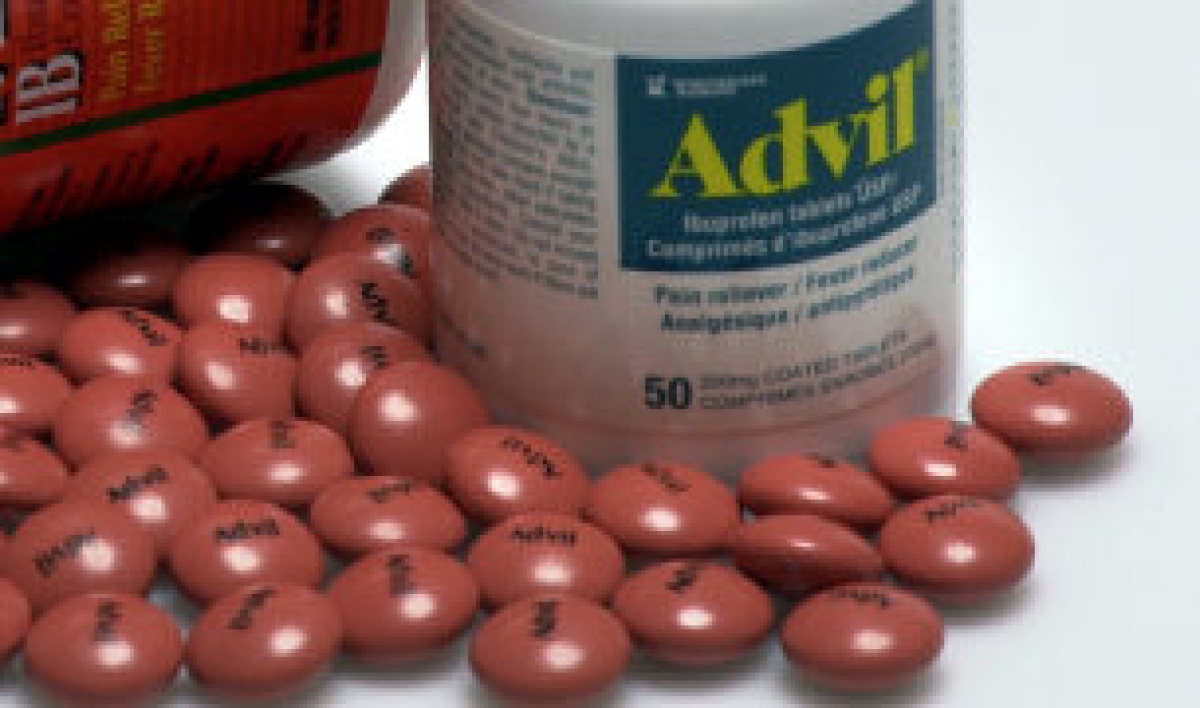
While Advil is one of the most popular pain relievers, many people have reported having allergic reactions to the product. This is typically the result of an allergy to the active ingredient of ibuprofen. In some cases, an individual may be allergic to one of the other ingredients in the various Advil products. Advil may also produce adverse effects if it is used in conjunction with certain other medications.
Advil Ingredients
Tablets and Caplets:
- Acetylated Monoglycerides
- Colloidal Silicon Dioxide
- Cornstarch
- Croscarmellose Sodium
- Methylparaben
- Microcrystalline Cellulose
- Pharmaceutical Glaze
- Pharmaceutical Ink
- Povidone
- Pregelatinized Starch
- Propylparaben
- Sodium Benzoate
- Sodium Lauryl Sulfate
- Stearic Acid
- Sucrose
- Synthetic Iron Oxide
- Titanium Dioxide
- White Wax
Gel Caps:
- Colloidal Silicon Dioxide
- Cornstarch
- Croscarmellose Sodium
- FD&C Red No. 40
- FD&C Yellow No. 6
- Fractionated Coconut Oil
- Gelatin
- Glycerin
- Hypromellose
- Pharmaceutical Ink
- Pregelatinized Starch
- Propyl Gallate
- Purified Water
- Sodium Lauryl Sulfate
- Stearic Acid
- Synthetic Iron Oxides
- Titanium Dioxide
- Triacetin
Signs Of An Allergic Reaction To Advil
- Hives
- Itchy skin
- Runny nose
- Swollen lips
- Tingling sensation in hands and feet
- Swelling of the tongue
- Coughing
- Wheezing
- Shortness of breath
- Fast heartbeat
- Rash
- Facial swelling
- Red eyes
- Anaphylaxis
What Should You Do If You Have An Allergic Reaction To Advil?
If you are having an allergic reaction to Advil, seek immediate medical attention. While many allergic reactions will pass within minutes, many can also progress to anaphylaxis. This is a severe allergic reaction in which the airways close and the individual cannot breathe. In these cases, immediate medical attention can prevent severe consequences such as death.

If you have had any symptoms of an allergic reaction to Advil, do not take any Advil products in the future. You may want to stay away from ibuprofen products in general and consult with your physician to find out exactly what caused the allergic reaction. Individuals who have had an allergic reaction to one of the other ingredients in Advil may need to avoid pain relievers or other medications that include that same ingredient in their formulas.